36V Controller
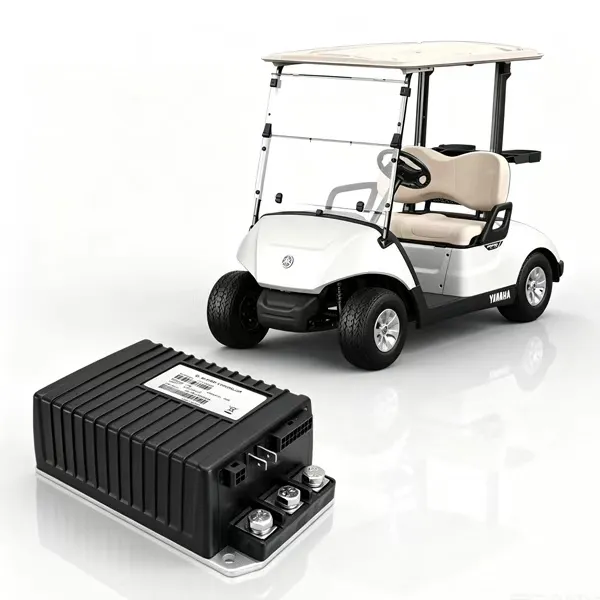
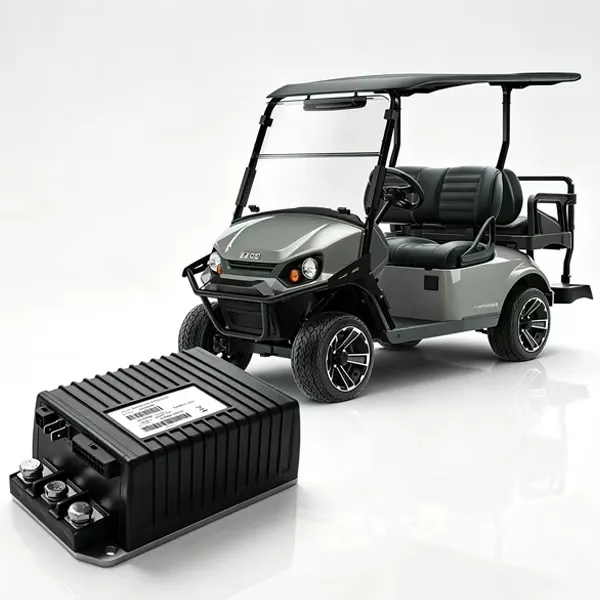
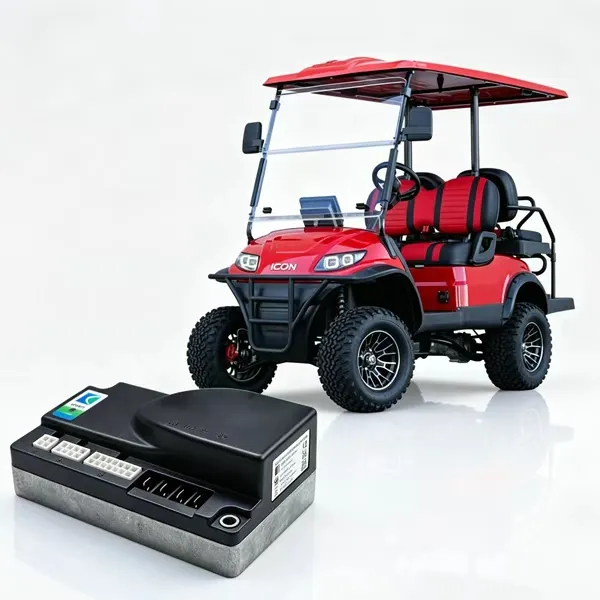
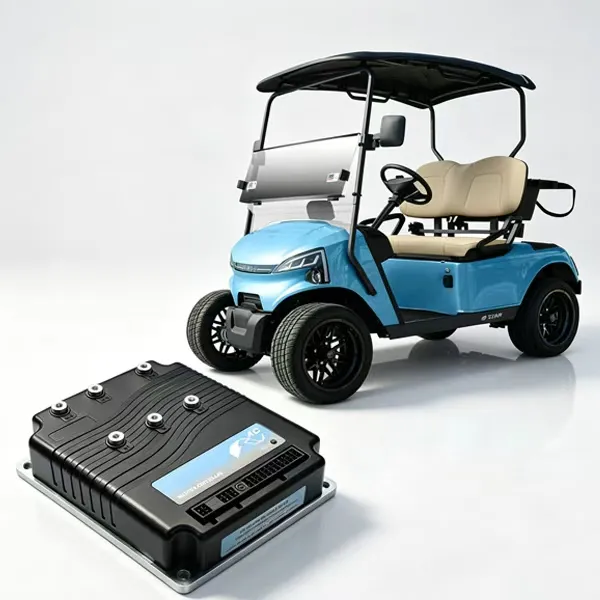
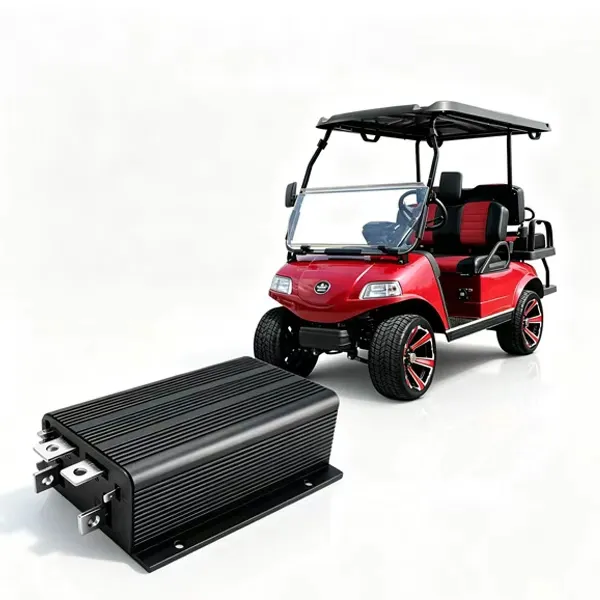
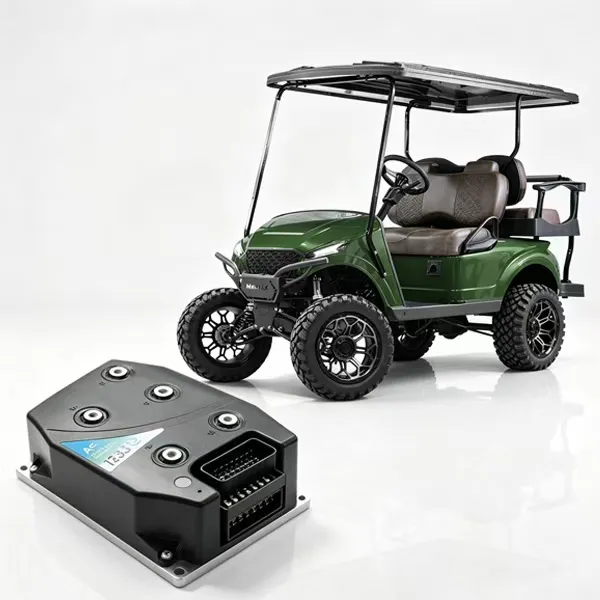
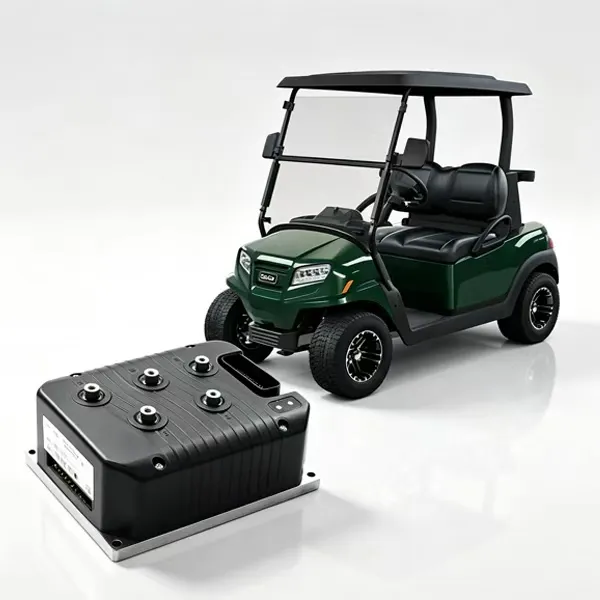
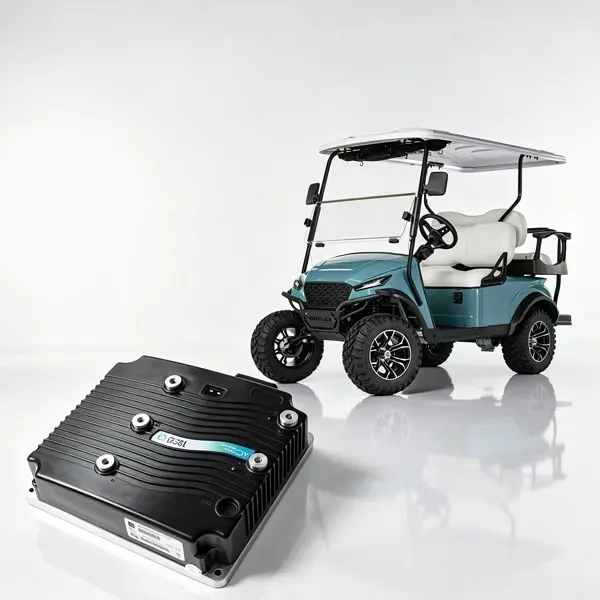
The 36V Controller is specifically designed for golf carts and electric vehicles, providing a direct replacement for Curtis controllers.
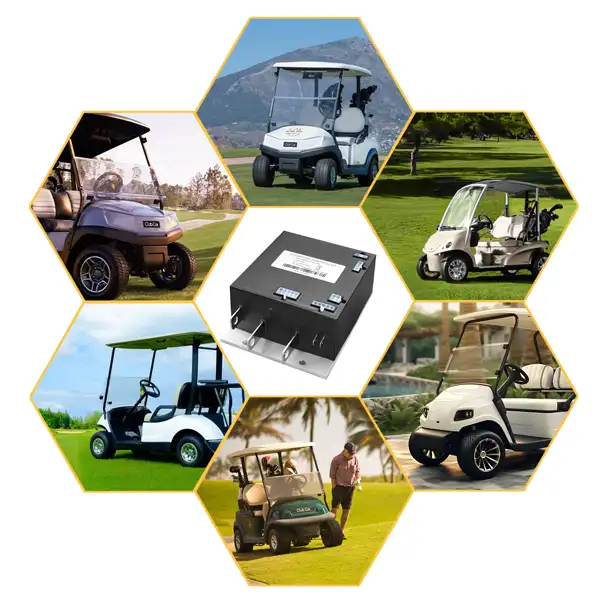
Reliable 36V Controller for Electric Vehicle Systems
Many golf carts on the market are equipped with 48V and 72V controller systems, but many older golf carts still use 36V controller systems. The 36V Controller still has a very stable demand, especially in:
- Older Golf Carts
- Utility Vehicles
- Maintenance Vehicles
- Small Industrial Vehicles
As an important control component of the electric vehicle power system, the 36V Controller is responsible for regulating the current output through PWM to achieve smooth acceleration, full load power output, energy consumption management, and more.
What is a 36V Controller?
The 36V Controller connects the accelerator pedal, battery, and motor. The driver steps on the accelerator pedal, and the controller receives a signal to regulate the battery current through PWM and deliver it to the motor to drive the vehicle. The depth of the driver’s pedal press determines the magnitude of the controller’s output current. The deeper the pedal press, the greater the current, the greater the motor torque, and the faster the speed.
At the same time, the 36V Controller has protection functions such as overheating protection, overvoltage protection, and overcurrent protection.
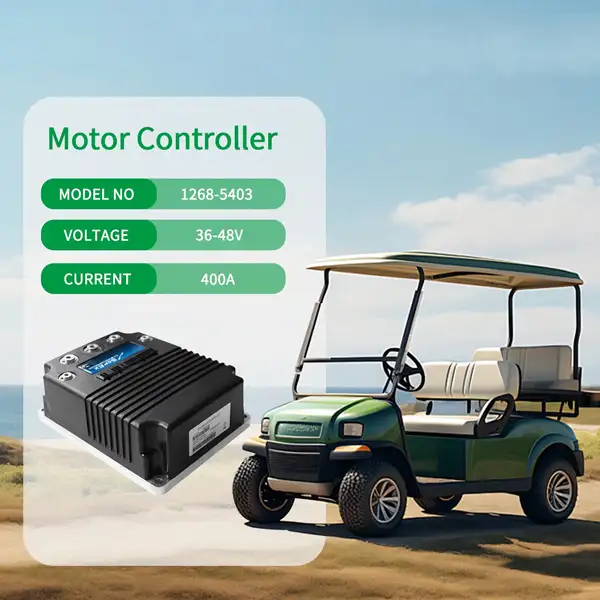
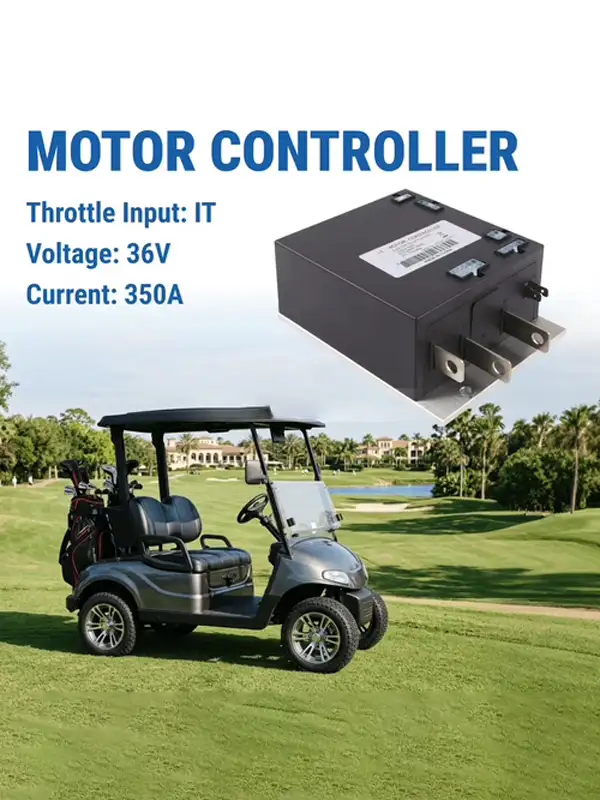
Why are 36V Controllers Still Widely Used?
Large Existing Vehicle Market
Although new models are gradually upgraded to 48V and 72V, a large number of old models still use the 36V system, such as:
- EZGO TXT/Marathon
- Yamaha G Series
- Club Car Older DS models
The above vehicles have a huge global ownership. Therefore, the 36V Controller replacement market continues to exist.
Cost-Effective Replacement Solution
For many car owners and golf cart repair shops, upgrading the entire 48V system is costly. The advantages of replacing the 36V controller include lower replacement cost, faster installation, and maintenance of the original vehicle system
Stable Performance for Daily Applications
Although the 36V system has a lower voltage, it has the advantages of simple structure, reliability, and easy maintenance.
Curtis Replacement 36V Controller Solution
In the past, a large number of electric vehicles used Curtis controllers. With Vehicle Aging and Original Controller Failure.Reasons for maintenance difficulty increasing, etc. The market requires Reliable Curtis Replacement Controller.
The SPIDERWAY 36V Controller was developed based on the original Curtis model. Implement One to One Replacement,Can match Voltage, Current rating, Wiring, Connector, and Installation position, etc.No need for large-scale modification of vehicle routes.
36V Controller Technical Specifications
Parameter | Specification |
Voltage | 36V |
Current Range | 325A / 350A / 500A |
Motor Type | DC Motor |
Application | Golf Cart / Utility EV |
Input Signal | Accelerator Signal |
Protection | Over Current / Over Temperature |
Housing | Aluminum Alloy Cooling Design |
Advanced Features of SPIDERWAY 36V Controller
High Current Output Capability
Different vehicles have different requirements, SPIDERWAY offers 250A/350A/550A to meet the needs of ordinary vehicles high power upgrade demand.
Intelligent Protection System
Including Over Current Protection to prevent motor damage caused by excessive motor load. Thermal Protection, When the temperature is abnormal, reduce the output protection controller system. And Short Circuit Protection to reduce the risk of electrical failures.
36V Controller Replacement vs Upgrade
Replace Original 36V Controller
Suitable for users who want to preserve the original vehicle structure while also reducing maintenance costs.
Upgrade Electrical System
If you want stronger power, you upgrade the Battery and Motor, but the Controller should also be upgraded. When upgrading, you need to consider the voltage and current of the battery to avoid inconsistent matching, which may cause safety hazards.
Why Choose SPIDERWAY 36V Controller?
Engineering Support
California has its own technical team that supports on-site installation and debugging, helping overseas distributors solve installation problems.
Quality Testing Process
Each 36V controller undergoes electrical testing. Check the output performance.
Temperature Testing
Verify heat dissipation capability.
Load Testing
Simulate the actual power output value under full load conditions.
OEM & Dealer Support
Supports Bulk orders, Custom solutions, and Technical documents.
Conclusion
36V Controller remains an important solution for thousands of existing electric vehicles worldwide.
For golf carts, utility vehicles and small industrial EVs, replacing an aging controller with a reliable 36V Controller can restore vehicle performance and extend service life.
SPIDERWAY provides professional Curtis replacement 36V Controller solutions with:
- One-to-one compatibility
- Stable performance
- High reliability
- Dealer technical support
Helping global customers maintain and upgrade their electric vehicle systems.
FAQ
Can a 36V Controller replace a Curtis controller?
Yes. SPIDERWAY provides Curtis replacement 36V Controllers designed for direct replacement
Which vehicles use 36V Controllers?
Common applications include:
- EZGO golf carts
- Yamaha golf carts
- Club Car vehicles
- Utility EVs
Can I upgrade a 36V golf cart to 48V?
Yes, but battery, motor, charger and wiring systems must also be evaluated.
Can OEM customers customize parameters?
Absolutely. As a manufacturer with in-house R&D and production capabilities, we support customized controller parameters for OEM customers.
How do I find the correct 36V Controller?
Provide:
- Original controller model
- Vehicle brand
- Battery voltage
- Motor type
SPIDERWAY engineering team can recommend the correct solution.
What information is required before ordering?
Please provide:
- Vehicle model
- Existing system voltage
- Battery type
- Controller model number (if available)
- Intended application or upgrade requirements
Our technical team will recommend the most suitable club car controller solution based on your specific needs.